
Weekly food waste recycling collections will begin in parts of Plymouth from March 2026, with households in Devonport, Stoke, Southway, Whitleigh, Plympton and Plymstock first to receive the new service.
The scheme will eventually roll out to every household in the city, bringing Plymouth in line with most other UK local authorities.
Instead of putting food waste into brown bins, residents will be given a separate food waste caddy, allowing items to be collected weekly and turned into renewable energy.

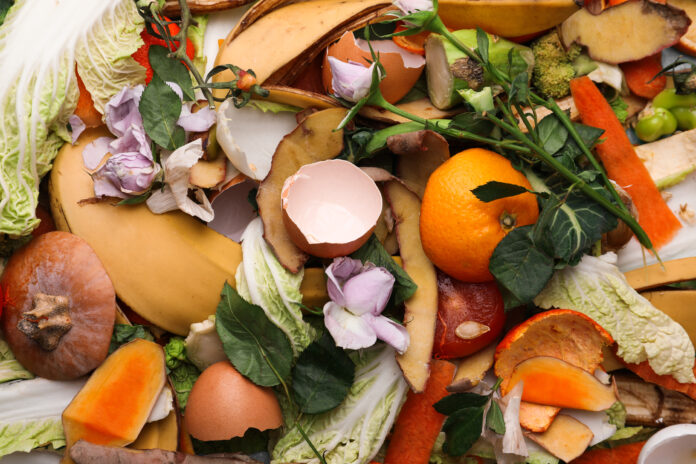
What can go in the food waste caddy?
- Fruit and vegetable peelings
- Tea bags and coffee grounds
- Plate scrapings and leftover food
How the rollout will work
The service will be introduced in five phases:
- March 2026 – First areas begin collections
- July, August, September and November – Further phases follow
Residents can check whether their home is included in the first phase by entering their address into an online tool on the council’s website. Areas included in later phases will be announced in the spring.
Plymouth all set to introduce food waste collections in 2026 – and is spending £2.3m on the scheme
What households will receive
Before collections begin, households will be provided with:
- A small kitchen caddy with biodegradable liners
- A larger outdoor caddy for weekly collections
Some residents living in flats, apartment blocks or houses of multiple occupation will instead receive access to a communal external food waste bin.
Why food waste is being collected separately
By separating food waste, councils can turn it into renewable energy rather than sending it to landfill or incineration. It also helps cut emissions, boosts recycling rates and encourages households to waste less food.
What the council says about the new service
Councillor Tom Briars-Delve, Cabinet Member for the Environment and Climate Change, said people are often surprised by how much food waste they produce and how easy it is to separate once the habit is formed.
He added that weekly collections will help increase recycling rates, cut emissions and could help families save money by reducing food waste.
Households included in the first phase will be contacted directly by post, with caddies delivered well before collections start.
Find out more and check your address:
https://www.plymouth.gov.uk/food-waste-collections