
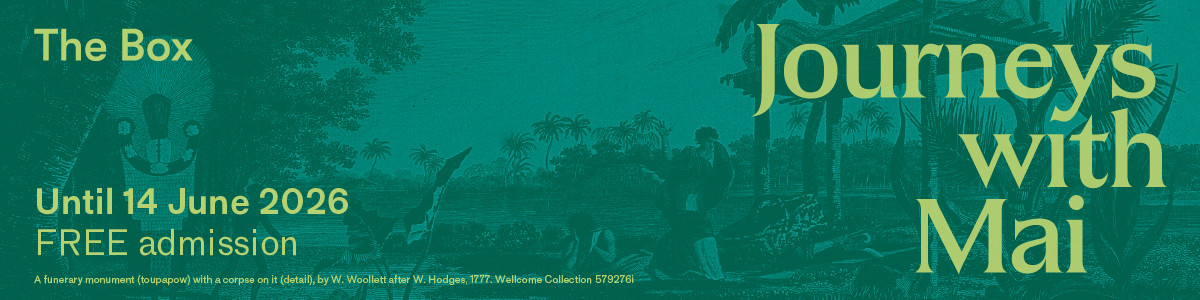
Plymouth Sutton and Devonport MP Luke Pollard has called for the Government to reverse its decision to lift the ban on bee-killing pesticides, known as neonicotinoids.
The pesticide is seriously harmful to Britain’s dwindling bee populations and will further damage biodiversity.
Plymouth has been at the forefront of the fight to reverse bee decline with new wildflower meadows, bee corridors and investment in hives and education about bees and essential pollinators.

Luke also is raising concerns that the Government is rolling back on commitments made to uphold the ban by previous Environment Secretary, Michael Gove.
At the time Mr Gove, said:
“The weight of evidence now shows the risks neonicotinoids pose to our environment, particularly to the bees and other pollinators which play such a key part in our £100bn food industry, is greater than previously understood.”
Luke is concerned that this is a worrying indication of the Government rolling back other hard-won environmental gains now Britain has left the EU, which would be breaking a Government manifesto commitment on environmental protections which stated they would ‘not compromise on our high environmental protection, animal welfare and food standards.’
Luke, who is also Labour’s Shadow Secretary of State for Environment, Food and Rural Affairs, has written to the government to urge Ministers to reverse the lifting of the ban, and has called for MPs to be given a vote on whether to allow bee-killing chemicals. Labour MPs will be opposing the lifting of the ban on bee-killing chemicals.
Terry McAuliffe, former chair of the Plymouth Branch of Devon Beekeepers’ Association said:
“I am truly appalled that this early example of ‘taking back control’ is so detrimental to bees.
“The relaxation of the ban is supposed to be limited to sugar beet crops, but the ramifications are awful. Sugar beet is not an insect-pollinated crop, but bees will forage on the wild flowers that grow in between the beet plants. To prevent them becoming sick, it is the stated intention of beet farmers to destroy all the wild flowers in the beet fields.”
Commenting, Luke Pollard MP, said:
“The ban on bee-killing pesticides must remain in place to protect our natural environment. Bee health is non-negotiable. I want to see the south west’s bees protected and that means finding a way to defeat the Government’s plan. That is why I’m calling for a Parliamentary vote on this damaging policy. We support our farmers but ending this ban is not the solution to tackle crop blight.”
Professor David Bilton of the School of Biological and Marine Sciences at the University of Plymouth said:
“Whilst often dismissed as ‘pests’, insects are the most diverse animals on the planet and vital to the functioning of almost all non-marine ecosystems. Without them, the world as we know it would collapse.
“There is now good evidence of worrying declines in insect populations in many parts of the world, including the UK. Whilst the causes of these declines are complex, neonicotinoids have been shown to be extremely harmful, or deadly, to many beneficial insects, including pollinators and other animals such as wild birds.”