
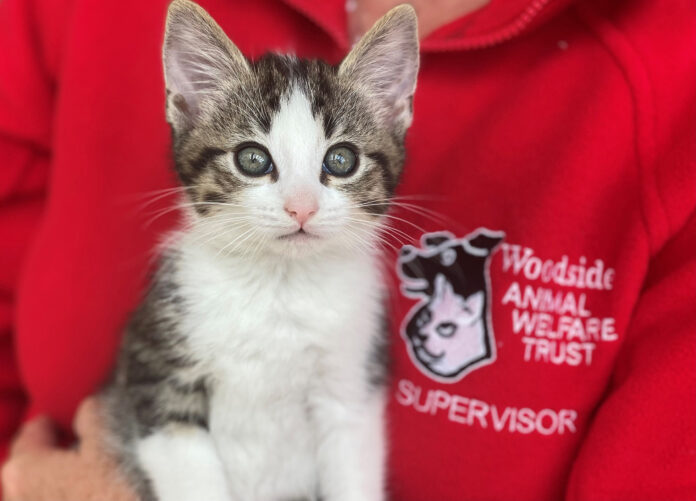
Around 80 cats and kittens have been added to a waiting list at a Plymouth animal shelter, as it struggles to cope with the number of pets needing its help.
Woodside Animal Welfare Sanctuary is seeing a worrying upward trend in the number of abandoned, neglected and unwanted cats, with each of its catteries at capacity.
It is currently caring for around 100 rescued cats and kittens. But the true number needing its help is far higher, with around 80 currently on the waiting list to come in.

The sanctuary at Elfordleigh believes the overwhelming number is a long-term consequence of the Covid pandemic, when fewer people had access to veterinary care and spaying.
Sanctuary manager Debbie Haynes said:
“It’s so bad with cats. People couldn’t get their cats into the vets during Covid as vets were only doing emergency treatment. We are seeing the outcome now.
“We’ve seen a lot more cats this year, and in the years following Covid. With dogs it is more deliberate breeding but with cats it’s accidental as you can’t keep a cat in.
“We want to stop unwanted animals being born but catching up is difficult.”
The charity is having to prioritise the cats and kittens it can take in, with cases of neglect, abandonment and emergencies taking precedence.
To prevent the situation getting even worse, it is urging owners to have their pets spayed or neutered to avoid more indiscriminate breeding and unwanted litters.
The charity runs a subsided scheme for low-income households at its clinic in Wolseley Road and selected vets. And every cat, dog or rabbit rehomed from Woodside will be spayed or neutered, usually in the charity’s onsite clinic at Elfordleigh.
RELATED PLYMOUTH WOODSIDE ANIMAL SANCTUARY NEWS
‘Kitten Kindergarten’ for Woodside Animal Welfare Sanctuary after tragic incident
For five decades now, Woodside has been campaigning for pets to be spayed and neutered and helping pet owners access the veterinary treatment. In the 1970s, charity founder Carole Bowles started a pioneering scheme which helped people in some of the most deprived areas of Plymouth access support.
To date, the charity has enabled more than 20,000 animals to be spayed or neutered and, in turn, prevented thousands more unwanted pets being born. Carole emphasises that spaying and neutering remained at the heart of the charity’s work.
“Preventing unwanted young remains a vital part of our work and has had a massive impact on indiscriminate breeding and unnecessary euthanasia,”
she said.
“Spaying and neutering is at the heart of everything we do.”
To find out more about how you can support Woodside’s work with rescue animals, please visit www.woodsidesanctuary.org.uk or call 01752 347503.