
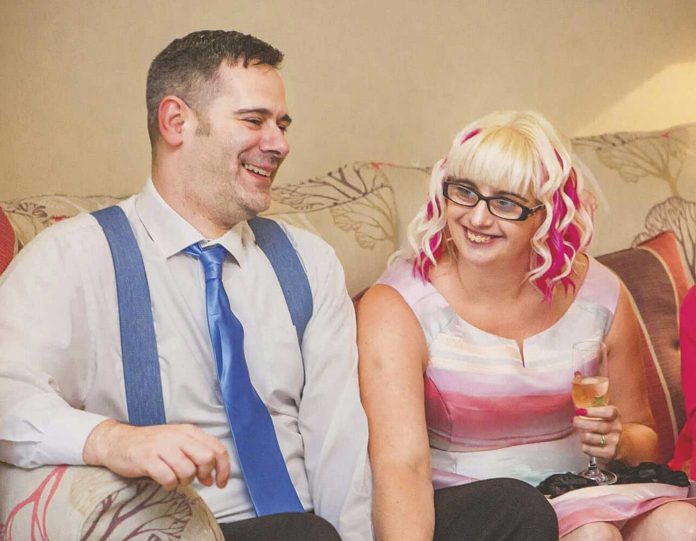
It’s the phone call you never, ever want to receive. Plymouth couple Paul and Nicky Hatherell were volunteering at an event in Cornwall in the summer of 2017, when they received a call that their daughter, working in London, was in intensive care.
Kate Hatherell was working in King’s College Hospital, living life to the full. Kate had had asthma as a child, but as far as she and her family were concerned, it was well under control.
While at a games evening with her partner at the home of friends, Kate suffered a sudden severe asthma attack near to the hospital where she worked, which led to a cardiac arrest. Despite the best efforts of her medical colleagues, she died, aged just 31.

Her parents, who live in Glenholt, had made the desperate journey up from Cornwall to be there and were able to confirm to the hospital staff Kate’s wish to be an organ donor, which she had held since she was 17. As Mum Nicky said:
“Kate died as she had lived, giving generously.”
Mark Whitehouse, a specialist nurse for organ donation at King’s, and who was involved in the organ donation process with Paul and Nicky said:
“We need more people to have these conversations with their families and talk about organ donation, so we can increase the number of lifesaving transplants. Nationally, three people die every day on the transplant waiting list.”
A Bill, known as ‘Max’s Law’ is likely to be passed in Parliament, bringing in a new system that all adults would need to ‘opt out’ of organ donation in future, in the hope of increasing the number of donations.
However, Nicky and Paul are opposed to the Bill. They explain that 47% of families say no to a donation if they do not know the wishes of the patient, or if they have not signed the register.
Understandably, the shock and trauma is very high in such circumstances, and families can currently overrule their loved one’s wishes to be a donor, feeling the process is too long, and that the patient had suffered enough.
In Wales, where the opt out system has been introduced into law already, the amount of organs donated has actually fallen.
Rosy Edwards is a journalist who has had two transplants, but also does not want the opt out option to become law. She feels that better education and awareness are more likely to increase the amount of organs available to those who need them, and believes ‘organ donation must be a choice, because life must be a gift given freely.’
Nicky Hatherell agrees. She explained that the number of new people who signed the Organ Donation Register during this year’s awareness week was 52,340.
Nicky has contacted her MP, Johnny Mercer, to explain her concerns about this new Bill, and hopes that her voice will be heard, as more people enter the debate with a detailed understanding of the process.
She is also passionate to advocate for everyone to consider registering as an organ donor. With first hand experience, she is well aware of the dreadful decisions family have to make when this is a live matter.
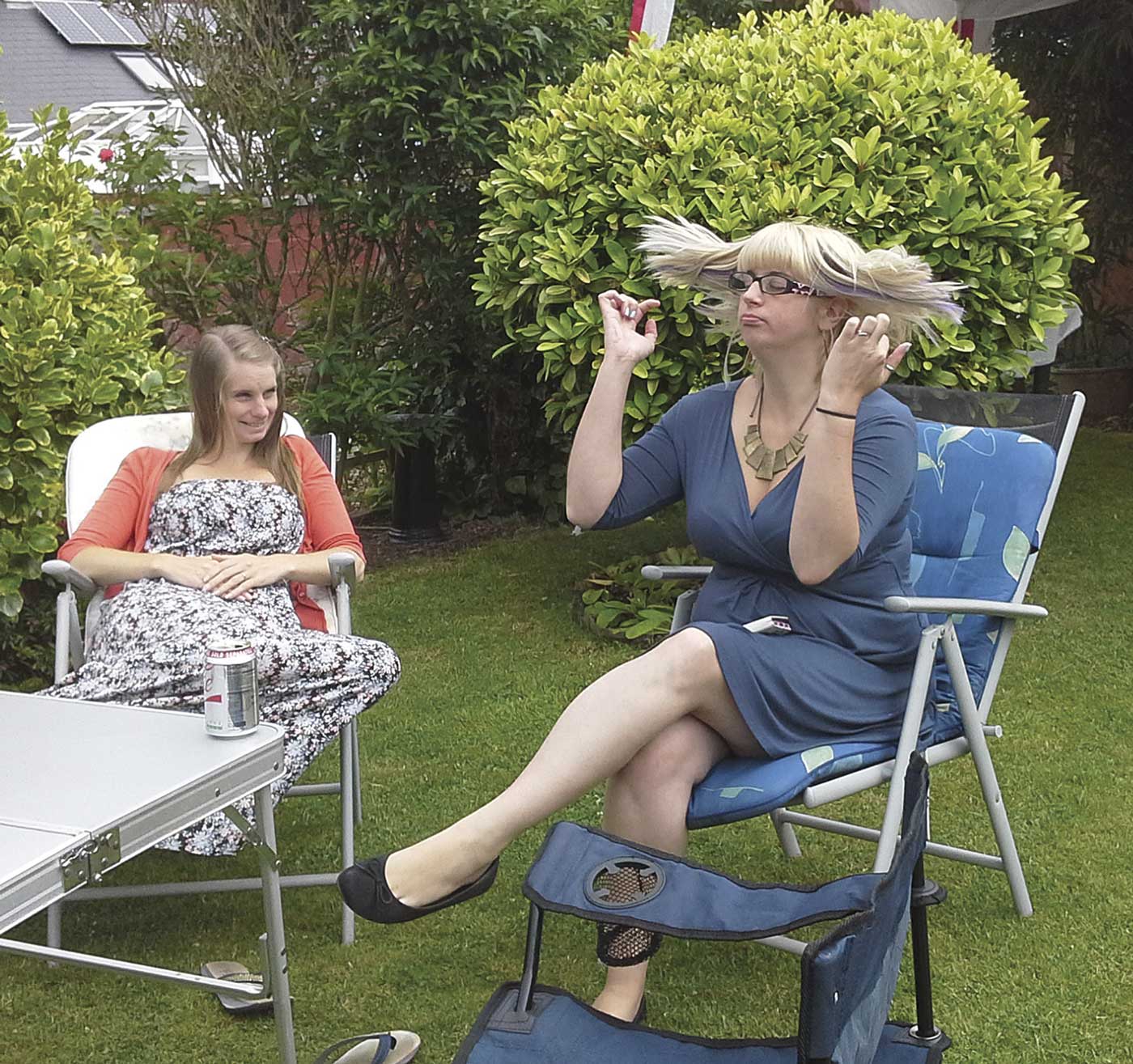
Kate’s body had to undergo more surgery and was in hospital for a further three days to ensure her organs were suitable for transplant.
However, Paul and Nicky feel so proud of their daughter, and knowing that they were fulfilling her wishes after her death, gave them the strength to carry on through such a devastating time.
Details for an organ donor can be registered online at organdonation.nhs.uk or by calling 0300 1232323.