

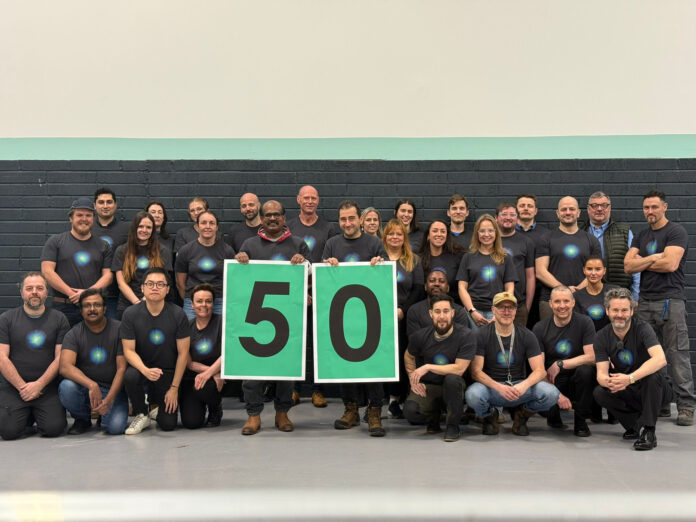
A clean technology company based in Devon has expanded its workforce to more than 50 employees as it continues to develop its electric vehicle (EV) battery recycling operations.
Altilium, which specialises in recovering critical metals from end-of-life EV batteries, has recently attracted international investment. In the first quarter of 2025, the company secured $2.5 million from Mizuho Bank and a $5 million strategic investment from the Japanese trading and investment group Marubeni Corporation.
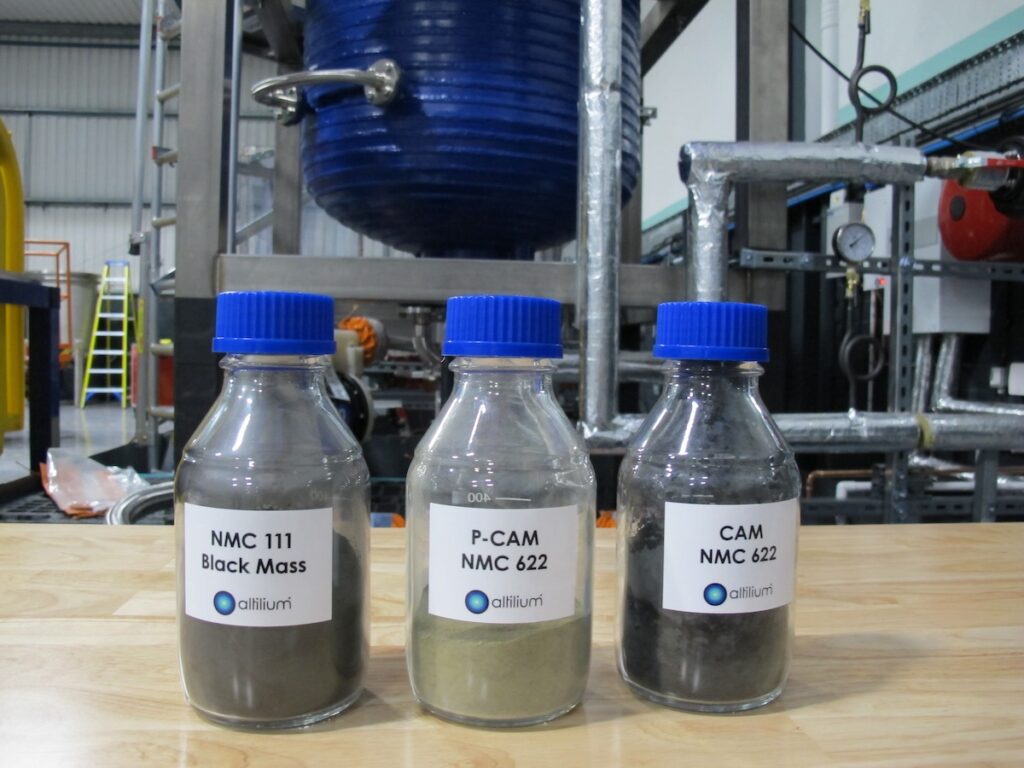
Altilium is increasing its UK recycling operations, including the ongoing development of its ACT 2 facility in Plymouth.

The 18,000-square-foot site is designed to recover metals such as lithium, reducing reliance on imported raw materials.
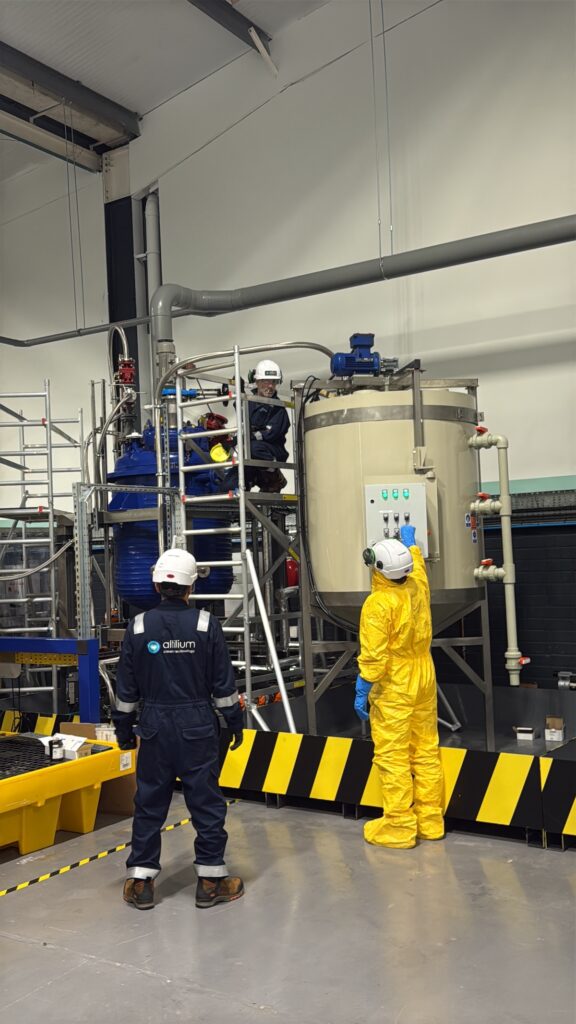
Founded in 2020, Altilium operates across three locations in Plymouth and Tavistock and employs a workforce that includes 12 PhD holders and 20 scientists and engineers. The company is also working with local educational institutions, including the University of Plymouth and City College Plymouth, to provide work experience opportunities and encourage careers in battery recycling.
The company has recruited specialists in chemical and mechanical engineering from across the UK, with further roles expected to be created in the coming months.
Emily Hatcher, Head of People and Culture at Altilium, described the milestone as a reflection of the company’s growth, stating:
“We’re excited to hit this major milestone and exceptionally proud of what our teams have achieved so far. Our success is built on the hard work and dedication of our people who have shaped Altilium into the dynamic, leading force in EV battery recycling that it is today.
Our teams across R&D, Engineering and Business Operations are driving advancements in clean technology every day, building a truly circular economy for critical battery materials… and this is just the beginning.
We plan to continue accelerating and have exciting expansion plans ahead.”
READ MORE PLYMOUTH BUSINESS NEWS
Altilium’s recycling processes aim to provide domestic sources of cathode and anode materials for battery production. Its Plymouth facility is the first step in scaling operations, with a planned plant in Teesside expected to become one of Europe’s largest EV battery recycling sites. The Teesside plant is projected to process waste from over 150,000 EVs per year, producing 30,000 metric tonnes of cathode active material.