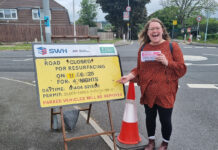

Three Plymouth women have been sharing their memories of the Blitz as Remembrance Day approaches on November 11.
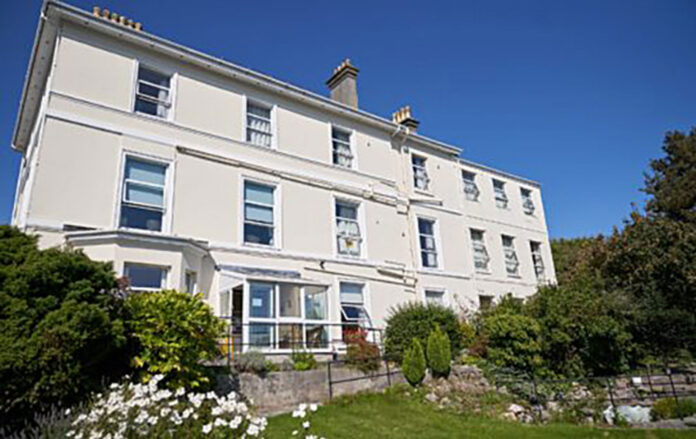
The women don’t just share their childhood memories of the Plymouth bombings during the war – they have now also found shared community in their later years at Bethany Christian Home, which is run by the Pilgrim’s Friend Society in Greenbank.

Pat Fish was a schoolgirl during the war and lived in Plymouth throughout the Blitz was on.
“I remember being eight or nine and praying for my school, Hyde Park Primary to be bombed! Unfortunately, my prayers were answered and we lost the top of the first floor. But it was still used, in fact eventually three different schools used the same building.
“If an air raid happened during the day, we had to go into a cavern underneath the playground. It was damp and horrible. I was at school when I saw a plane being shot down.
“Plymouth was like a fortress, it had to be, as it was being bombed every night. One day when my family came up from our Anderson shelter in the back garden in Peverell, all the newer style house across the road had just crumbled to the ground, but the older houses had stood up to the bombs.
“As the war wore on and it became so dangerous for people to stay in Plymouth, anyone who had transport – a horse and cart, a bus or a car – used it to help transport people from the centre of Plymouth up on to the moors to sleep on in the countryside.
“Children were allowed one piece of fruit a day so if my mother heard that a shop had oranges or bananas, I would queue up for over an hour just to get one piece of fruit. Gas and electricity were also rationed to one-and-a-half hours in the morning so people could wash and have breakfast then it was cut off during the day and put back on at 4pm so people could cook their evening meal. Sweets and clothing were also rationed, and you had coupons for everything.
“Most children were evacuated and as my father worked for the admiralty as a naval constructor supervising the docks, he was sent to Belfast to work. I remember that the King and Queen visited Belfast on the day that my family moved to the city so that night the city was bombed.
“Women took over men’s jobs working as land girls and in the factories. In my early teens, I attended dances on the Hoe and in the summers, there was always a band playing on the Hoe, different stars would come and sing there to keep people’s spirits up. Many Czechs and Poles made their homes here and the American GIs who were stationed here would give out chocolate bars and sweets to the children.”

Barbara Finch was six years old when the war started. She was living in Keyham opposite the barracks and next door to the school. Her father was in the navy.
“During the school day we would practice going to the air raid shelter. In air raids we would be sent home from school. I had to carry a gas mask and used to practice putting it on. Many of my teachers at the school were due for retirement but had to stay on and teach because there was no-one else who could.
“My headteacher was Mr Cornish and I remember him standing in the playground crying after the school got bombed and burnt.
“I remember sitting in the air raid shelter and listening to the bombs dropping. The whole street near to where I lived was bombed and nearly all the houses destroyed by incendiaries that came down on Plymouth. After that night our next-door neighbours, who had a chalet at Notter Bridge, let me and my mother stay there, and I spent most of the summer there with my friend. While we were staying there a bomb was dropped at the back of our home and completely destroyed it. After this my mother came for me with a car and I was evacuated to Redruth until the end of the war.
“After my home was bombed my pet cat Tiger went missing but we found out that he had found a new home a few doors away. After my home was rebuilt under the war damage scheme in 1944, Tiger was still alive and came back to live with us.
“During the war there was a big American camp, and the soldiers were very kind to the local children giving the American chocolate bars and putting on a Christmas party. I recall how some of the black American GIs were the first black people we had seen and how they were segregated from the white GIs.
“While in the air raid shelter, I remember feeling scared hearing the bombs dropping and also hearing my Mum’s teeth chattering because she was so frightened.
“On VE day I recall how there was dancing on the Hoe. When my Dad came home he came back via America so came back with boxes of chocolates which made me very popular with my school friends. Although I never saw the damage to my own home, I still remember how much of Plymouth was flattened all the way from Fore Street to the Dockyard gates.”
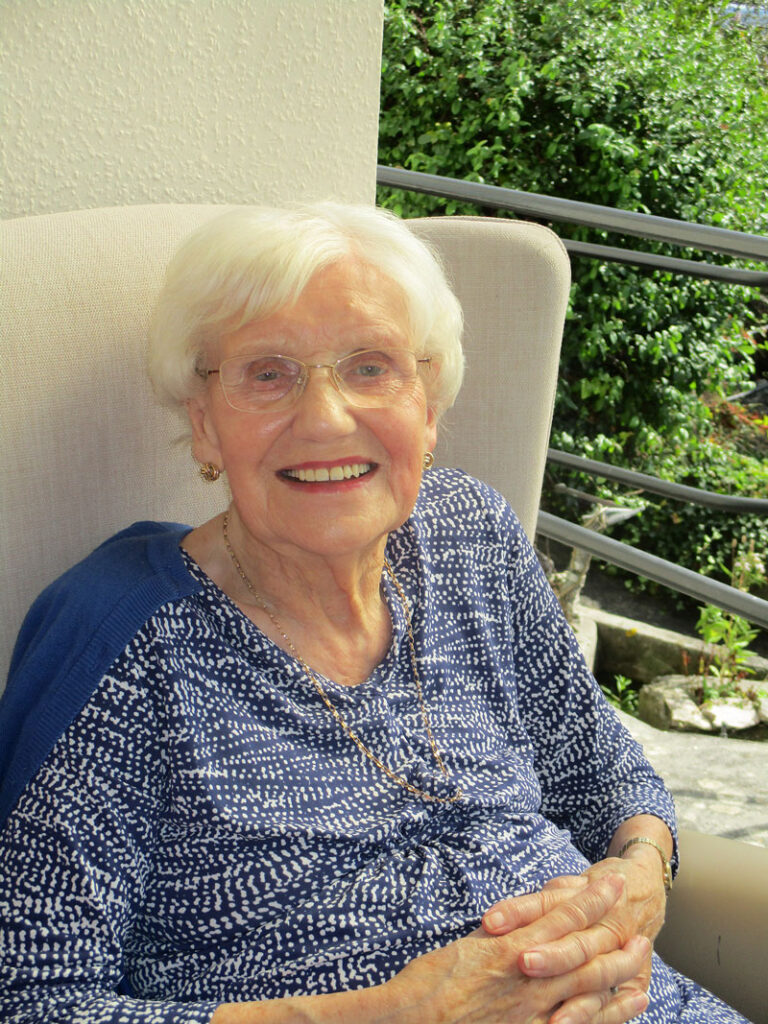
Beryl Darch was five when the war broke out.
“My first recollection was when I started to go to school in Stoke where we used to have air raid shelters. When the air raid siren sounded all the children would have to put on their gas masks and walk in a crocodile line into the air raid shelter.
“One day coming home from school I saw the King and Queen going down Ford Hill. That night the Blitz on Plymouth started – I believed it was because the Germans were targeting the King and Queen.
“I lived at 129 Pasley Street and because my mother didn’t trust the safety of the outdoor air raid shelters, my father converted the understairs cupboard into a shelter. He put bunk beds in so we could sleep in there. In the street behind our house there was a block house with a gun battery on top of it.
“One night during an air raid while my family were in the shelter, we heard such a loud explosion followed by the sound of falling debris that we thought that our house had been hit and had fallen in on top of us. My brother tried the door of the shelter and it opened so we were able to get out and as we walked around the house everything seemed to be OK. But when we tried to open the front door, we couldn’t.
“This was because the earth from the bombed block had gone halfway up our house blocking the doors and windows. When we finally managed to get out, we saw that there was a huge crack all the way around the house and that it was no longer fit to live in. That’s when my family moved to Tamerton Foliot and lived there for the remainder of the war in relative peace.
“However, while living there a bomb hit the local creek and caused a big crater. Then a German plane came down in the field behind the village. The villagers armed themselves with pitchforks and spades and went to capture the German pilot. They brought him down into the village and I remember that he looked very frightened. They then waited for the army police to pick him up.
“One of the things I remember seeing, and being amazed at, was how a whole house could be demolished by a bomb but that one wall with a fireplace on it could be left standing and that even the china ornaments would still be sitting on the mantlepiece.
“I remember how the American soldiers came to the village and the white soldiers were stationed at Station Road, but the black soldiers were segregated and lived at Cann bridge. I remember that they used to give the children sweets and would tell us stories. One day when I visited the area every single one of them had gone overnight. The next day was D-day.
“On VE day I remember the commotion outside as the news had been heard on the radio. People took saucepan lids and were banging them and making lots of noise around the village and there was a party that night.
“Sadly the last bomb to fall on North Prospect landed on the air raid shelter of my extended family. Usually my Aunt Win, Uncle Ken, Eileen and baby David, Valerie and Brian would seek shelter during air raids in their neighbour’s shelter.
“But on this evening their neighbours had friends around who they put up in their own shelter.
“So, the family used their own shelter and when the bomb landed it killed all of them all except Ken who had stood at the entrance of the shelter and had got blown out.
“The German prisoners of war would come and work on the farms. There were also the land girls Norma and Una who used to go to different people’s houses in the village for Sunday afternoon tea.
“There were the Saturday night dances in Tamerton. The Plymouth navy men would turn up first, followed by the white American GIs, followed by the black GIs and there would often be fights as they vied for the attention of the local girls.”