
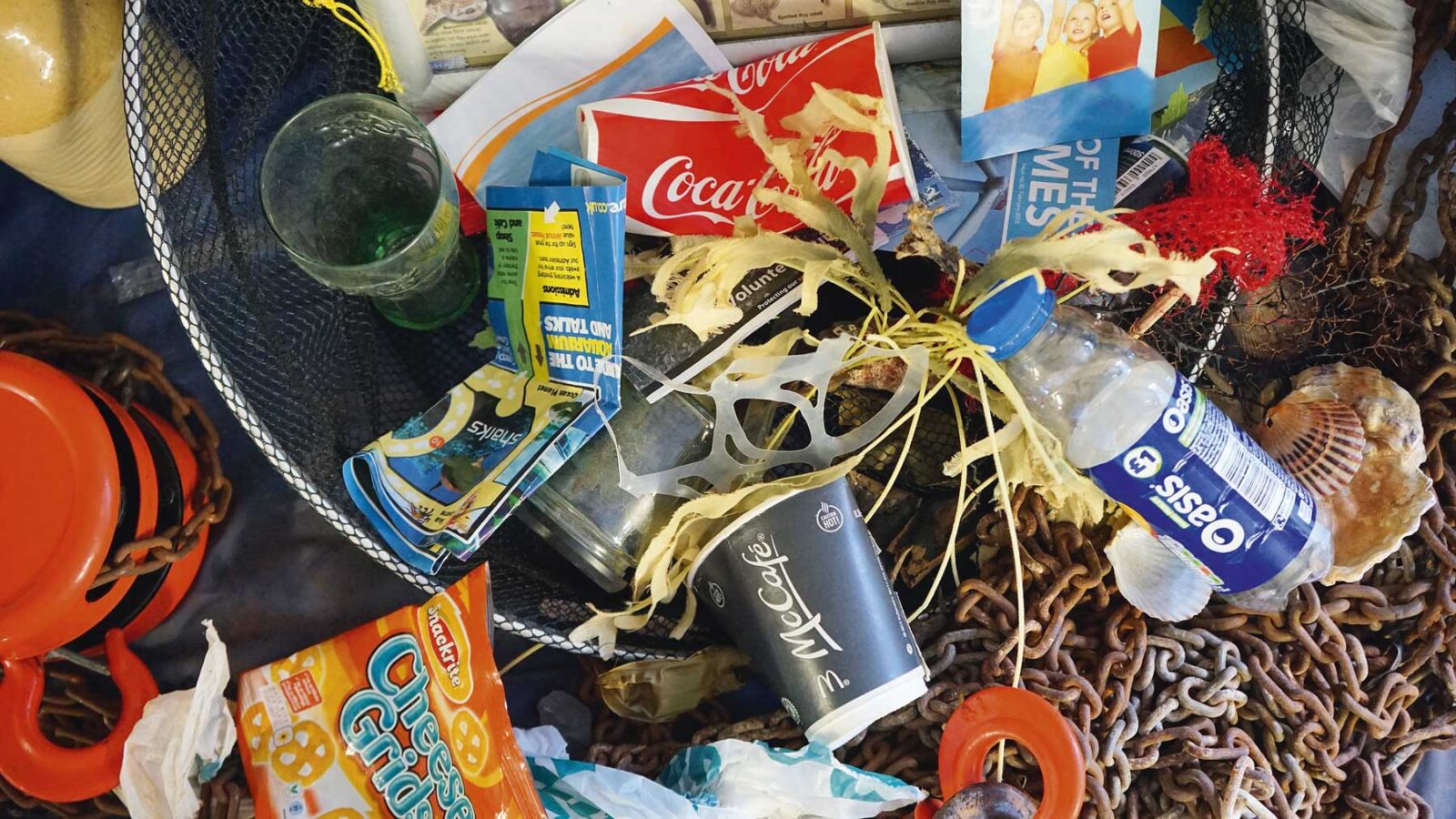
Every year 400 million tonnes of plastic is produced globally, with around 40% of that being single-use plastics which often end up in our oceans and landfills, never decomposing and instead killing around 100,000 marine animals each year, writes Erin Downes.
If we continue at our current usage levels, it is predicted that by 2050 the amount of plastic in our oceans could outweigh the amount of fish, clearly posing a significant threat to our environment.

After a range of national petitions, some areas are beginning to take this issue more seriously, with many national companies, such as Wetherspoon, Costa Coffee and Pizza Express pledging to stop using plastic straws by the end of 2018 and Iceland vowing to completely change to plastic-free packaging in the next five years to reduce single-use plastics.
One of these petitions, shared on change.org as part of a school project by nine and ten year olds from Oxley Park Academy in Milton Keynes, is named ‘Straws Suck! Ban Single Use Straws Across the UK!’ and has reached over 108,000 signatures. Similarly, a petition from Joanna Betterton has gained over 420,000 signatures asking all major supermarkets to stop using plastic packaging, aiding the fight against plastic pollution in our oceans.
Following in their footsteps, as part of their partnership with ‘Plastic Free Ivybridge’ and Surfers Against Sewage, Manor Primary School in Ivybridge have been working hard to reduce waste at the school.
Karen Dixon, headteacher, said:
“At Manor, we are all very enthusiastic about helping the environment. We all know that we have an individual responsibility, and that each of us making a few small changes can have a big impact – especially if everyone does their bit. Teaching children about caring for the environment is clearly crucial if we are going to protect our beautiful planet long into the future”.
In order to put this idea into action, the school has introduced new policies concerning the packaging in school lunches, in which they encourage parents to use reusable pots and water bottles rather than single-use disposable water bottles (which are now banned) or packaging.
They have also stopped providing children’s milk and juice in individual non-recyclable cartons, have stopped buying individual ice-cream and yoghurt pots for school dinners, and have also stopped using plastic straws or disposable cups altogether. A reduction in the amount of paper that is laminated has also contributed to their reduced waste plans.
To ensure all children understand the effect that increased waste can have on our planet, the school are also launching a school-wide project named ‘Big Blue Planet’ throughout June. This project includes a range of activities, including writing to local councillors as well as local and national politicians to voice their concerns over the UK’s waste problem.
They are also planning to visit local supermarkets to investigate the packaging used and write back to the stores with their findings, whilst also completing litter picks around Ivybridge. There will also be fun competition opportunities for students, including designing posters and leaflets and having a ‘package-free lunchbox’ competition.
your average primary school primary school will produce … 45kg per pupil
According to ‘Recycle Now’, an average secondary school will produce 22kg of waste per pupil every year, and your average primary school primary school will produce even more, at 45kg per pupil.
In order to reduce these figures, Plymstock School have also put many measures into place, such as reducing the amount of laminating and using digital textbooks. To emphasise the environmental impact of printing in school, students are encouraged to only print if it is completely necessary to avoid extra waste, through the use of a programme called ‘papercut.com’ which outlines the amount of CO2 used, how much energy is used and even what percentage of a tree the printing has taken.
However, one of the most substantial measures put into place has been a shift in the type of packaging used in school lunches, to reduce the use of non-recyclable single-use plastics. In recent years, the school has stopped using plastic packaging and instead invested in ‘Vegware’, a company that provides more sustainable packaging options. Due to being plant-based and made from low-carbon, renewable or recycled materials, the packaging can be composted easily alongside normal food waste, drastically reducing the amount of waste produced.
Both of these projects are examples of easy ways in which we can reduce the issues we have caused through excess waste: Bring a re-usable bottle.
Say no to plastic straws. Carry re-usable shopping bags. By taking these small and simple steps to reduce the amount of waste we produce, we can make a huge difference to our precious environment.