
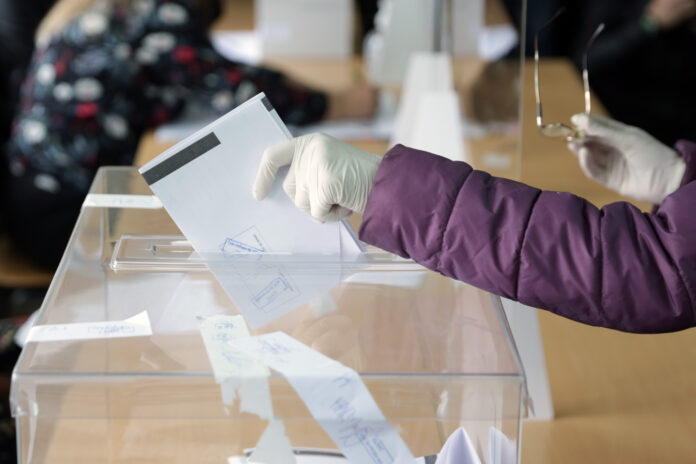
Plymouth City Council has voted to keep the current local election cycle of electing councillors by thirds every year, with a fallow election year every fourth year.
Key Takeaways:
- Plymouth City Council Maintains Current Election Cycle
Despite public consultation showing 57% support for moving to all-out elections every four years, the council voted to retain the existing system of electing councillors by thirds annually, with one fallow year every fourth year. - Debate Highlights Diverging Views on Election Frequency
Proponents of all-out elections argued for strategic, long-term planning, while opponents emphasized the benefits of annual elections in ensuring councillor accountability and responsiveness to voters. - Upcoming Changes in 2027
While the annual election system will remain, there will be all-out elections in 2027 due to ward boundary changes mandated by the Boundary Commission. Councillors’ terms will then vary based on their placement in the polls.
Prior to the vote a public consultation had taken place seeking views from the public on whether to go to all out elections every four years or stick with the current annual elections of a third of the council each year.
The consultation drew around 7,000 responses with 57% of people preferring to move to all out elections every four years.
At an EGM (Extraordinary General Meeting) of the council on November 25 councillors debated a motion to move to all out elections every four years, with the Labour and Conservative parties giving their councillors a free vote on the subject, rather than adopting a party whip.
Six of Plympton’s seven councillors were present for the debate, with Chaddlewood Green councillor Ian Poyser informing the chamber that his local party had discussed the issue at length and he felt that having asked the public for their opinion this should be respected and he would therefore be supporting the motion to adopt all out elections every four years.
Cllr Patrick Nicholson (Ind, Plympton St Mary) said the council always used to have all out elections every four years but this was changed without any formal consultation early in the 2000s when the Labour Party made representations to the Boundary Commission to alter the election process in Plymouth to annual elections by thirds.
Cllr Nicholson said he would be supporting the proposed change to all out elections every four years to allow for more strategic long term thinking to be adopted by the council rather than decisions being driven by the expediency of approaching elections.
RELATED PLYMOUTH NEWS
Councillors opposed to the change back to all out elections cited reasons such as annual elections keeping councillors more in touch with and accountable to their voters and enabled voters to more quickly express their views at the ballot box when unpopular decisions had been taken by the council.
When it came to the vote, it was explained by council officer Ross Jago that to be passed the motion to move to all out elections every four years would need a two thirds majority to be passed.
The result of the vote was 16 councillors voting in favour, 32 against, six abstained and three councillors were absent. With 48 councillors casting a positive vote one way or the other it was determined that the threshold for passing the motion was 32 in favour. As this had not been reached the motion was declared not carried so the status quo of annual elections by thirds will continue in the long term.
However, at the local elections in 2027 there will be all out elections that year due to changes in ward boundaries being made by the Boundary Commission. The length of service for councillors elected in 2027 will be determined by whether they come first, second or third in the polls.
(story courtesy of the Plympton Podcast)