
Tucked away in Southway, Silicon Sensing Systems may look unassuming, but it is creating precision sensors that power technology around the world.
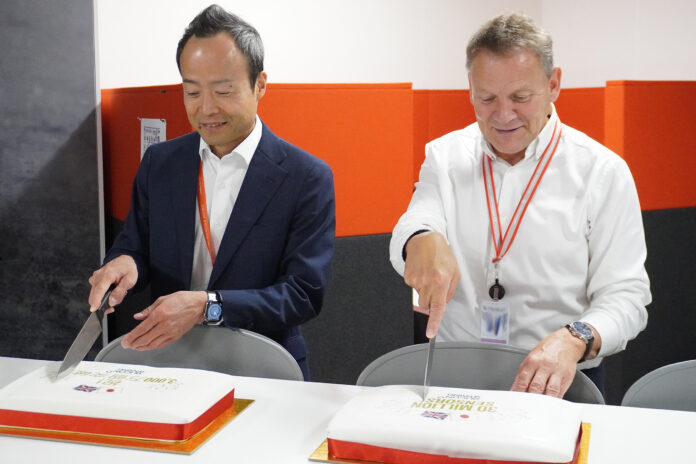
Now the company has reached a major milestone by producing its 30 millionth inertial sensor.
These tiny devices help stabilise platforms, guide vehicles and enable precise navigation. They are used in robots, ships, aircraft, autonomous vehicles and space missions across the world.

What is made in Plymouth
Silicon Sensing was founded in 1999 and has grown into a global supplier of motion sensing systems. The Plymouth engineering team designs and qualifies the sensors and systems produced by the company.
More complex systems are also manufactured on site in Southway, using high performance sensors developed with patented technology.
While some fabrication takes place at a specialist foundry in Japan, the design, testing and system integration work happens in Plymouth.
For residents, it is a reminder that Plymouth is not only a consumer of advanced technology but a creator of it and for young people considering careers in engineering or manufacturing, it shows that world leading work is already happening locally.
RELATED PLYMOUTH BUSINESS NEWS
‘ Team Plymouth ’ Unveiled in Westminster — What It Means for the City’s Future
Why inertial sensors matter
Inertial sensors measure movement when GPS cannot be relied upon. They are essential for navigation and stability in challenging environments.
That includes underwater vehicles, drones, industrial robots, mapping equipment and spacecraft. When precision matters, these sensors do the work quietly in the background.
Plymouth technology on global missions
Sensors designed in Plymouth have supported several pioneering projects.
- Gyroscopes from Silicon Sensing are being used on the rover for the Martian Moons eXploration mission, which will travel to Mars and study its moon Phobos.
- The company also supplied gyroscopes for the Mayflower Autonomous Ship, which completed an unmanned three week transatlantic crossing in 2022, retracing the historic Mayflower route 500 years later.
- Accelerometers from the company were used on ForgeStar, a UK built satellite researching how advanced materials can be manufactured in space under microgravity conditions.
A hidden success story
David Somerville, general manager of the company, said the milestone reflects the dedication and innovation of teams in both Plymouth and Japan.
“Reaching 30 million sensors produced is a tremendous achievement for our whole company.
Staying at the forefront of technology in such a competitive global industry is a clear reflection of the dedication and ongoing innovation of our teams in both Plymouth and Japan.”
For Plymouth, Silicon Sensing forms part of a wider defence and advanced manufacturing base that often operates out of public view.
Alongside established employers such as Babcock and newer defence technology firms like Helsing, the company contributes to the city’s role in delivering high skill engineering and manufacturing capability.